Cappadocia Adventures
Cappadocia Adventures

Geography and formation
Formed through volcanic erosion and river carving, Ihlara Valley cuts into soft tuff deposits from ancient eruptions of Mount Hasan. The Melendiz River still flows through its base, creating a microclimate markedly greener than the surrounding semi-arid plateau. Poplar trees, vineyards, and reeds line the valley floor, contrasting with the stark canyon walls.
Historical and cultural significance
Between the 4th and 13th centuries, Ihlara was a monastic retreat for early Christians fleeing persecution. They carved churches, chapels, and dwellings directly into the cliffs. The valley preserves more than 100 cave churches, many with frescoes depicting biblical scenes in the Byzantine style, such as those in Ağaçaltı, Sümbüllü, and Yılanlı churches.
Tourism and access
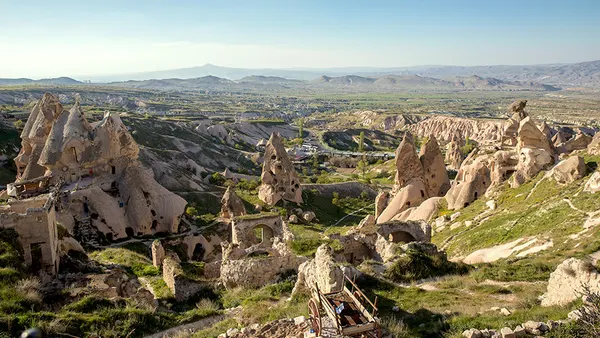
Today Ihlara Valley is one of Cappadocia’s most visited natural sites. Visitors typically hike from the village of Ihlara or Belisırma to Selime Monastery, passing numerous cave complexes along marked trails. Wooden stairways and footbridges facilitate access, while cafés beside the river offer rest stops. The valley’s blend of geology, history, and tranquility makes it a distinct complement to the region’s famous fairy chimneys.
Key facts
Location: Aksaray Province, Cappadocia, Turkey
Length: Approximately 14 km
Depth: Up to 100 m
River: Melendiz River
Notable settlements: Ihlara, Belisırma, Selime
1 guided tour includes a stop at Ihlara Valley.
Browse all Cappadocia attractions