Cappadocia Adventures
Cappadocia Adventures

Landscape and formation
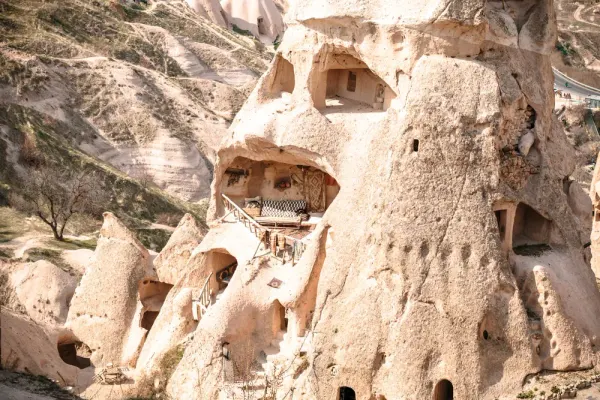
The valley was formed through volcanic activity and erosion of Cappadocia’s soft tuff rock, resulting in striking rock pillars, ridges, and cliffs. Centuries of wind and rain have sculpted natural formations resembling “fairy chimneys,” creating a dramatic landscape typical of the region’s geology.
Cultural and historical significance
Pigeon Valley takes its name from the thousands of pigeon houses carved into its cliffs. Local farmers historically used pigeon droppings as fertilizer for vineyards, making the birds an integral part of the region’s agricultural life. Some dovecotes date back to the Byzantine period and feature ancient inscriptions or frescoes.
Hiking and tourism
The valley is one of Cappadocia’s most popular hiking routes, connecting two major tourist centers—Göreme and Uçhisar. The trail passes orchards, tunnels, and overlooks with views of Uçhisar Castle. Viewpoints at both ends offer sweeping panoramas ideal for sunrise or sunset photography.
Environment and preservation
Efforts to preserve Pigeon Valley’s natural and cultural features include restricting construction and protecting dovecotes from erosion and vandalism. Sustainable tourism initiatives encourage low-impact hiking and emphasize maintaining Cappadocia’s unique geological heritage.
Key facts
Location: Between Göreme and Uçhisar, Nevşehir Province, Turkey
Elevation: Approximately 1,100–1,300 meters above sea level
Trail length: Around 4 kilometers (Göreme–Uçhisar route)
Notable features: Fairy chimneys, dovecotes, cave dwellings, valley viewpoints
2 guided tours include a stop at Pigeon Valley.
Browse all Cappadocia attractions